Window tint durability is all about how long your film can hold up against fading, bubbling, peeling, and heat without losing its performance. When you’re picking out car window tint, you want a film that’s designed to protect against UV rays, reduce heat, and maintain clarity for years. This breakdown compares the durability of 3M, Llumar, and SunTek by looking at their construction, installation requirements, warranty coverage, and how local weather can affect performance. You’ll learn what makes tint last, how major brands compare, and why professional installation in Buford, GA, can help maximize the useful life of your window film.
What Really Makes Window Tint Last?
When we talk about window film durability, we mean how well it resists fading, bubbling, peeling, and other signs of wear over the years. Film construction, environmental exposure, installation quality, and manufacturing standards all affect performance. Quality automotive films use UV-resistant materials, durable adhesives, and protective layers designed to maintain their appearance and function under repeated heat and sun exposure.
Three key factors influence tint durability:
- Film Composition – The materials and construction of the film affect heat rejection, UV protection, color stability, and resistance to environmental stress.
- Adhesive Quality – The adhesive must bond evenly to the glass to help prevent lifting, bubbling, and peeling.
- Environmental Exposure – Sunlight, temperature changes, humidity, and regular vehicle use can all affect film performance over time.
Understanding these factors helps you look beyond how tint appears on installation day and evaluate its expected performance over time.
How Do Different Film Types Affect Tint Longevity?
Different window films have different durability characteristics based on their construction and materials. Ceramic films use non-metallic ceramic technology designed to provide heat and infrared rejection while maintaining color stability. Dyed films use colorants within the film to reduce visible light and provide privacy, although their color stability may vary depending on film quality and sun exposure.
For a general comparison:
| Film Type | Heat Rejection | Fade Resistance | Typical Lifespan |
|---|---|---|---|
| Ceramic | High | Excellent | 10–15 years or more |
| Dyed | Moderate | Moderate | 5–7 years |
Actual performance depends on the specific film series, installation quality, vehicle use, climate, and manufacturer warranty.
Why Is Professional Installation Crucial for Tint Lifespan?
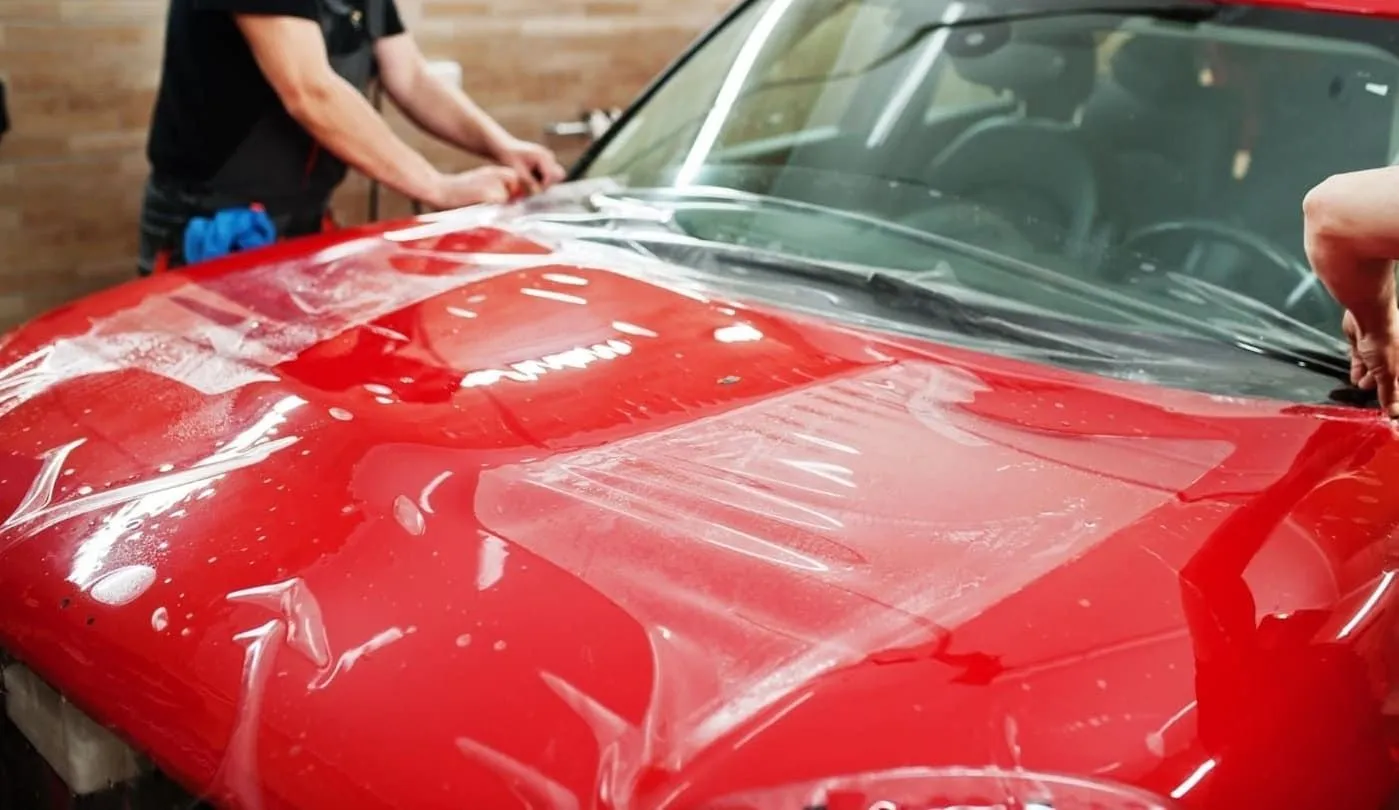
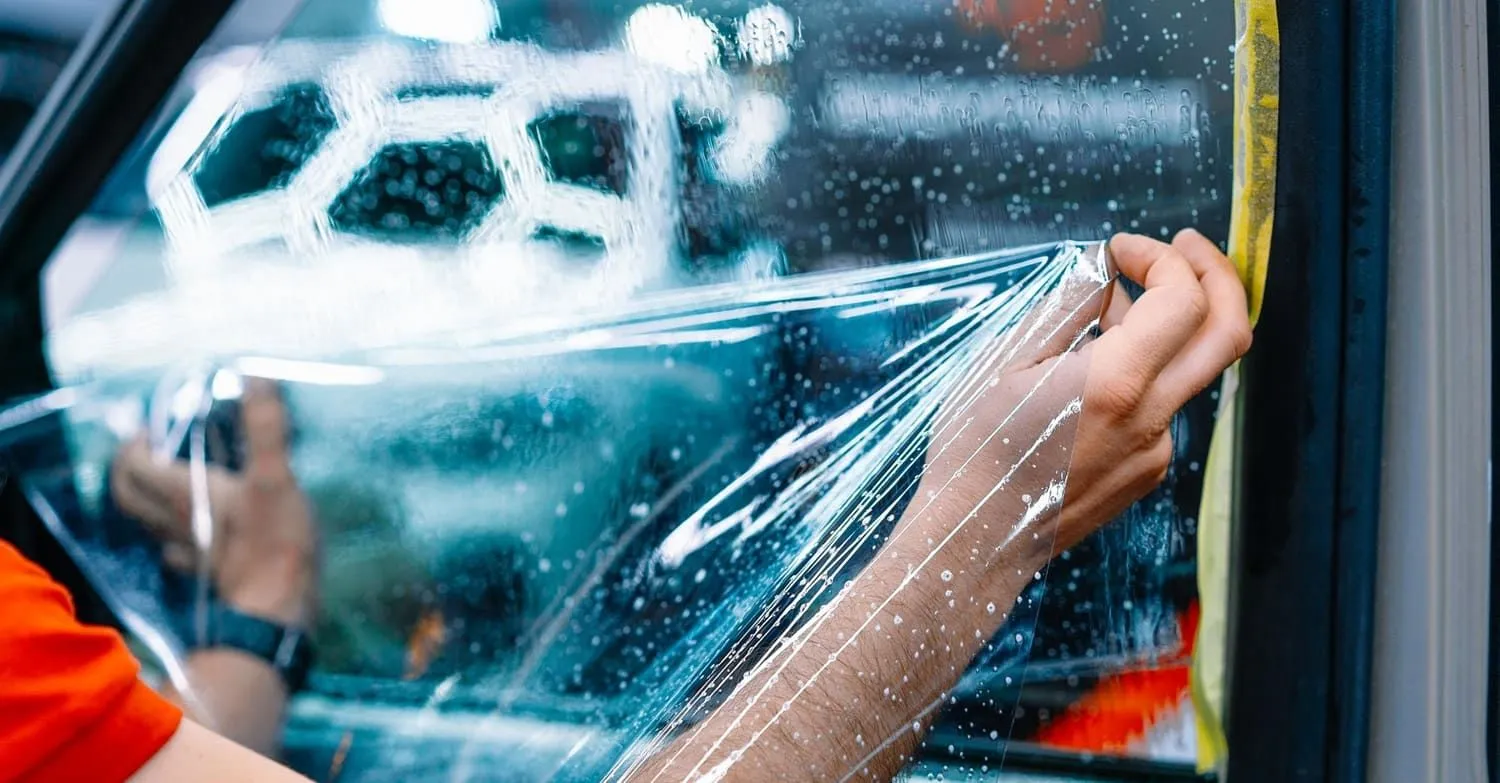
When you get your tint professionally installed, the film can be applied evenly with properly prepared glass and accurately finished edges. This reduces the risk of moisture, dirt, and air becoming trapped beneath the film. Experienced installers also work in controlled conditions and use proper application techniques to support strong adhesion and clean results.
Key steps for a tint that lasts:
- Surface Preparation: A thorough cleaning removes oils, dust, and residue that could interfere with adhesion.
- Controlled Squeegeeing: Consistent pressure helps remove excess moisture and air during installation.
- Edge Finishing: Accurate trimming and application help reduce the chance of moisture getting beneath the film.
Expert installation doesn’t just maximize the built-in durability of ceramic and other automotive films; it can also help ensure the installation meets applicable manufacturer warranty requirements.
How Does Buford, GA’s Climate Impact Window Tint Longevity?
Buford’s subtropical climate exposes vehicles to summer heat, humidity, and strong sunlight, which can put additional stress on automotive window film. Extended UV exposure can contribute to fading in lower-quality films, while temperature changes and moisture can affect poorly installed film.
Quality films are designed with materials and adhesives that help them withstand everyday environmental exposure. Proper cleaning with compatible products can also help preserve the film’s surface and appearance. Professional installation is particularly important because poorly bonded film may be more vulnerable to bubbling, peeling, or edge lifting.
How Durable Is Llumar Window Tint Compared to Other Brands?
Llumar window films are designed for UV protection, heat reduction, optical clarity, and color stability. Depending on the series, Llumar automotive films use advanced film construction and adhesive systems designed to support consistent performance. Many Llumar automotive products are also backed by manufacturer warranties covering specified defects.
Maximum Shade Tinting offers Llumar film options designed to provide drivers with different combinations of heat rejection, UV protection, privacy, and clarity.
What Are Llumar’s FormulaOne, IRX, and CTX Series Known For?
| Llumar Series | Construction/Technology | Durability Benefit | Warranty Coverage |
| FormulaOne | Advanced automotive film technology | Color stability and heat rejection | Varies by product |
| IRX | Ceramic technology | High infrared rejection and UV protection | Varies by product |
| CTX | Ceramic technology | Heat reduction, clarity, and color stability | Varies by product |
What Does Llumar’s Warranty Cover for Tint Durability?
Llumar warranty coverage varies by product and installation conditions. Depending on the specific film, coverage may address manufacturer defects such as discoloration, bubbling, peeling, or other issues identified in the applicable warranty.
Before installation, customers should review the warranty terms for the specific Llumar film selected.
How Does Llumar Resist Fading, Bubbling, and Peeling?
Llumar automotive films are engineered with film layers and adhesive systems designed to maintain adhesion and appearance under normal vehicle use. Proper installation is equally important because contamination, improper application, or insufficient curing can contribute to premature film problems.
How Long Does 3M Window Tint Last and What Affects Its Durability?
3M automotive films, including Crystalline, Ceramic IR, and Color Stable products, are designed to provide heat reduction, UV protection, and optical clarity. Expected service life depends on the specific product, installation, vehicle exposure, and warranty terms.
Durability is influenced by the film’s construction, adhesive system, protective coating, and resistance to environmental exposure. Professional installation and proper care can help the film perform as intended.
3M Window Film Durability and Warranty Information
3M Product and warranty information specifies coverage according to the applicable product and installation requirements. Warranty terms vary by film series and application.
What Are the Durability Highlights of 3M’s Crystalline, Ceramic IR, and Color Stable Films?
| 3M Series | Feature | Durability Advantage |
| Crystalline | Multi-layer optical film | Heat reduction and optical clarity |
| Ceramic IR | Ceramic technology | Infrared rejection and color stability |
| Color Stable | Multi-layer film construction | Fade resistance and consistent appearance |
How Does 3M’s Warranty Support Tint Longevity?
3M warranty coverage varies by product and may address issues such as bubbling, peeling, cracking, shrinking, or fading when applicable. Customers should review the warranty terms for the specific film and installation.
What Makes 3M Window Tint Effective Against UV and Heat Damage?
3M automotive films are designed to reduce solar energy entering the vehicle while providing UV protection.
Key features include:
- Multi-layer optical construction that helps reduce solar heat.
- UV-resistant materials designed to support film stability.
- Protective surface coatings that help maintain the film’s appearance during regular use.
What Is the Lifespan and Durability of SunTek Window Tint?
SunTek automotive films, including CIR and CXP series, are designed to provide heat rejection, UV protection, and optical clarity. Their performance and warranty coverage depend on the specific product selected and installation conditions.
Film durability can be affected by temperature changes, sunlight, cleaning practices, and installation quality. Properly installed film is better positioned to maintain adhesion and appearance during regular vehicle use.
How Do SunTek’s CIR and CXP Series Perform Over Time?
| SunTek Series | Construction/Technology | Durability Benefit |
| CIR | Ceramic technology | Infrared rejection and heat reduction |
| CXP | Advanced automotive film construction | Heat rejection and UV protection |
What Warranty Does SunTek Offer for Tint Durability?
SunTek warranty coverage varies by product and may address specified defects such as peeling, bubbling, and discoloration. Customers should confirm the warranty terms associated with the specific film and installation.
How Does SunTek Handle Heat Rejection and UV Protection?
SunTek automotive films are designed to reduce solar heat and provide UV protection while maintaining visibility and appearance.
Key features include:
- Non-metallic film technologies available in select product lines.
- UV protection designed to help reduce exposure to ultraviolet radiation.
- Protective coatings that help maintain surface appearance.
Which Window Tint Brand Lasts Longest? Direct Durability and Lifespan Comparison
There is no single lifespan that applies to every film from 3M, Llumar, or SunTek. Product series, installation quality, environmental exposure, vehicle use, and warranty terms all influence how long a film performs.
| Brand | General Durability Considerations | UV Protection | Warranty |
| 3M | Depends on film series and installation | Up to 99% UV protection on applicable products | Varies by product |
| Llumar | Strong color stability and film construction | Up to 99% UV protection on applicable products | Varies by product |
| SunTek | Designed for heat and UV performance | Up to 99% UV protection on applicable products | Varies by product |
Rather than choosing based solely on an estimated lifespan, consider the specific film’s specifications, warranty, heat-rejection performance, and installation requirements.
How Does Ceramic Tint Durability Compare to Other Film Types?
Ceramic window films are designed to provide strong heat rejection, UV protection, and color stability without relying on metallic construction. Their non-metallic design also makes them suitable for drivers who want heat reduction without concerns about interference with electronic signals.
Film performance still depends on the specific product and installation. A professionally installed quality film can provide more consistent results than an improperly installed product, regardless of its technology.
Why Is Ceramic Tint Considered Durable?
Ceramic tint uses ceramic-based technology designed to remain stable under sunlight and heat exposure. Its non-metallic construction can provide heat and infrared rejection while maintaining optical clarity and compatibility with vehicle electronics.
What Are the Common Durability Issues with Dyed Window Tint?
Dyed films can experience several common issues as they age or are exposed to intense sunlight:
- Color Fading: Lower-quality dyes may change color after extended UV exposure.
- Adhesive Breakdown: Poor installation or aging adhesives can contribute to bubbling or peeling.
- Surface Wear: Improper cleaning tools can create scratches or damage the film’s protective surface.
Which Tint Type Is Best for Heat and UV Protection?
High-quality ceramic films offer a strong combination of infrared rejection, UV protection, clarity, and color stability. Their construction makes them a popular choice for drivers who prioritize heat reduction and consistent appearance.
Maximum Shade Tinting can help Buford drivers compare available Llumar and FormulaOne film options based on their vehicle, desired shade, heat-rejection goals, and warranty requirements.
Why Choose Maximum Shade Tinting for Durable Window Tint in Buford, GA?
Maximum Shade Tinting provides professional automotive window tinting in Buford, GA, with film options focused on heat reduction, UV protection, privacy, and optical clarity. The company offers Llumar and FormulaOne film options and focuses on proper preparation and installation to help customers get reliable performance from their selected film.
How Do Maximum Shade Tinting’s Llumar and FormulaOne Films Support Durability?
Maximum Shade Tinting offers Llumar and FormulaOne film options designed for heat rejection, UV protection, clarity, and color stability. Available ceramic film technologies can help reduce infrared heat while maintaining the vehicle’s appearance.
The right film depends on your vehicle, desired shade, heat-rejection goals, and other preferences. A professional installation helps ensure the selected film is properly applied to the glass.
What Role Does Expert Installation Play in Maximizing Tint Lifespan?
Our skilled technicians at Maximum Shade Tinting follow careful surface preparation and application procedures. Proper glass preparation, controlled film application, accurate trimming, and thorough moisture removal help reduce common installation issues such as bubbles, edge lifting, and uneven adhesion.
How Does Maximum Shade Tinting’s Warranty Provide Peace of Mind?
Warranty coverage depends on the specific Llumar or FormulaOne film selected and the applicable manufacturer terms. Before installation, Maximum Shade Tinting can explain the coverage associated with your chosen film so you understand what is included.
How Can Customers Get a Free Estimate for Durable Window Tint?
You can request a complimentary estimate by filling out the online form or contacting Maximum Shade Tinting. Provide your vehicle’s make and model along with your preferred tint shade or performance goals. A specialist can help you compare available film options and explain the applicable warranty and installation details.
What Are the Most Common Questions About Window Tint Durability?
Car owners often want to know how long automotive tint lasts, what causes film to fail early, and what they can do to maintain its appearance. Understanding film technology, installation quality, and proper care can help you make a more informed decision.
How Long Does 3M Window Film Typically Last?
3M automotive film lifespan varies by product series, installation, vehicle exposure, and maintenance. Products such as Crystalline, Ceramic IR, and Color Stable are designed for durability, heat reduction, UV protection, and color stability when properly installed and maintained.
How Long Can Llumar Window Tint Maintain Its Quality?
Llumar film durability depends on the specific series and installation conditions. FormulaOne and ceramic-based Llumar options are designed to provide heat rejection, UV protection, and color stability while maintaining a clean appearance with proper care.
What Is the Expected Lifespan of SunTek Window Tint?
SunTek film lifespan depends on the specific series, installation quality, climate, and vehicle use. CIR and CXP films are designed to provide heat reduction and UV protection while maintaining performance under normal driving conditions.
What Causes Window Tint to Fade, Bubble, or Peel Prematurely?
Poor film quality, improper installation, contamination beneath the film, harsh UV exposure, and temperature fluctuations can contribute to premature tint failure. Trapped moisture may lead to bubbles, while weakened adhesion can cause edges to lift or peel.
How Can I Extend the Life of My Window Tint?
Clean tinted windows with compatible, non-abrasive products and soft microfiber materials. Avoid harsh chemicals and abrasive tools that could damage the film’s surface. Proper care and professional inspection can help identify signs of bubbling, peeling, or edge lifting before they worsen.
Professional installation of quality automotive films, combined with proper maintenance, can help your car’s window tint maintain its appearance and performance. Maximum Shade Tinting offers Llumar and FormulaOne options in Buford, GA, allowing drivers to choose a film based on heat rejection, UV protection, privacy, clarity, and warranty requirements. Request a free estimate to discuss the right window tint for your vehicle.