Night driving can be stressful even for confident drivers. Modern headlights are brighter, roads are darker in rural areas, and wet pavement can turn every light source into a reflection. Add on oncoming traffic, lifted trucks, and LED or HID glare, and it is easy to understand why many drivers in Buford, GA and surrounding North Georgia areas search for the best tint for night driving . Window tint can help reduce discomfort glare and cut down distracting brightness, but the wrong tint shade can also make it harder to see pedestrians, lane lines, and hazards. That is why selecting the correct film, percentage, and placement matters. The goal is balance: reduce headlight glare tint benefits while maintaining clear, safe visibility. In this guide you will learn how Visible Light Transmission (VLT) affects night vision, why ceramic technology can reduce glare without overly darkening the glass, how common tint percentages compare, and what Georgia tint laws mean for your vehicle. If you want comfort and clarity after dark, the right plan starts here.
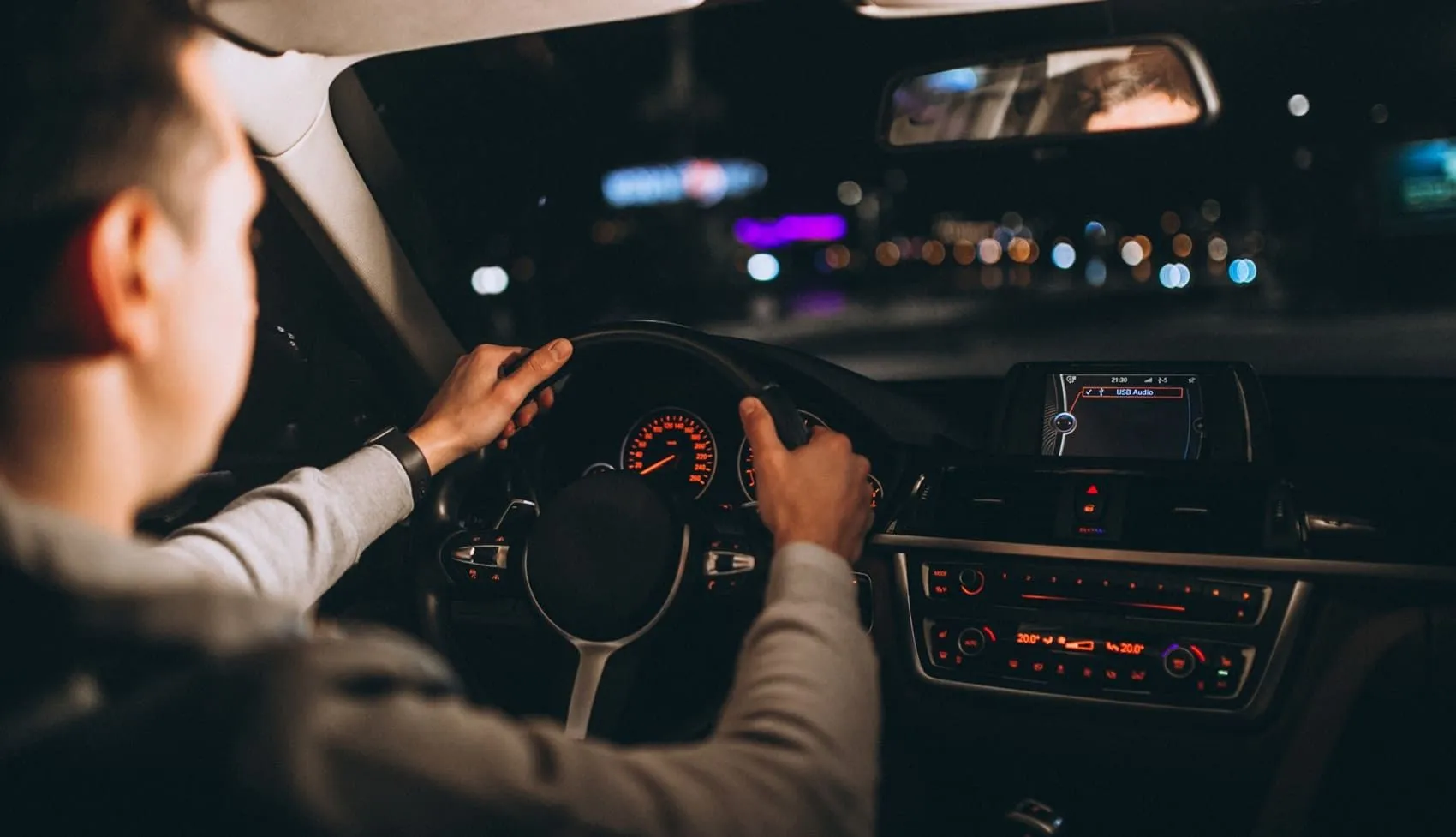
Table of Contents
- How VLT Impacts Night Driving Visibility
- How Headlight Glare Affects Driver Safety
- 20% vs 35% vs 50% Tint: What Changes at Night?
- Why Ceramic Tint Helps With Glare Without Getting Too Dark
- Georgia Tint Laws and Legal Considerations
- Windshield Visor Strip for Glare Control
- North Georgia Road Conditions That Influence Tint Choice
- FAQ: Night Driving Tint Questions
- Conclusion: Choosing the Best Tint for Night Driving Without Glare
How VLT Impacts Night Driving Visibility
When people talk about tint being “20 percent” or “35 percent,” they are referring to Visible Light Transmission (VLT) . VLT is the percentage of visible light that passes through the glass and film together. Higher VLT means more light gets through. Lower VLT means the glass looks darker and allows less light into the cabin.
For night driving, VLT is a big deal because your eyes need light to identify detail. During the day, there is plenty of light and your pupils constrict. At night, your pupils dilate and you rely on headlights, streetlights, and contrast to see. If you reduce light transmission too much, your brain gets less detail, especially in low contrast situations like dark clothing, black asphalt, or unlit intersections.
Featured snippet style takeaway: The best tint for night driving usually prioritizes higher VLT on the front windows so you can still see clearly, while using quality film that reduces glare and improves comfort through optical clarity and controlled light transmission.
Many drivers assume darker tint always means better glare reduction. That is not always true. Glare is not only about brightness. It is also about how light scatters through your eyes and through the glass. A film with excellent optical quality can reduce discomfort and improve visual comfort without pushing VLT too low.
Quick VLT guide for night driving comfort
- 50% VLT : Often feels very natural at night, helps reduce harsh brightness without making the cabin too dark.
- 35% VLT : A common “balanced” shade, but can feel darker in rural North Georgia roads with limited lighting.
- 20% VLT : Popular for privacy, but may reduce night visibility for some drivers, especially on dark roads or in rain.
How Headlight Glare Affects Driver Safety
Headlight glare is more than an annoyance. It can affect reaction time and steering accuracy. There are two types worth understanding:
- Discomfort glare : Bright lights cause annoyance, squinting, and eye fatigue. You can still see, but you feel strained.
- Disability glare : Bright lights reduce your ability to see detail by creating veiling brightness in your vision, especially when your eyes are already adjusting to darkness.
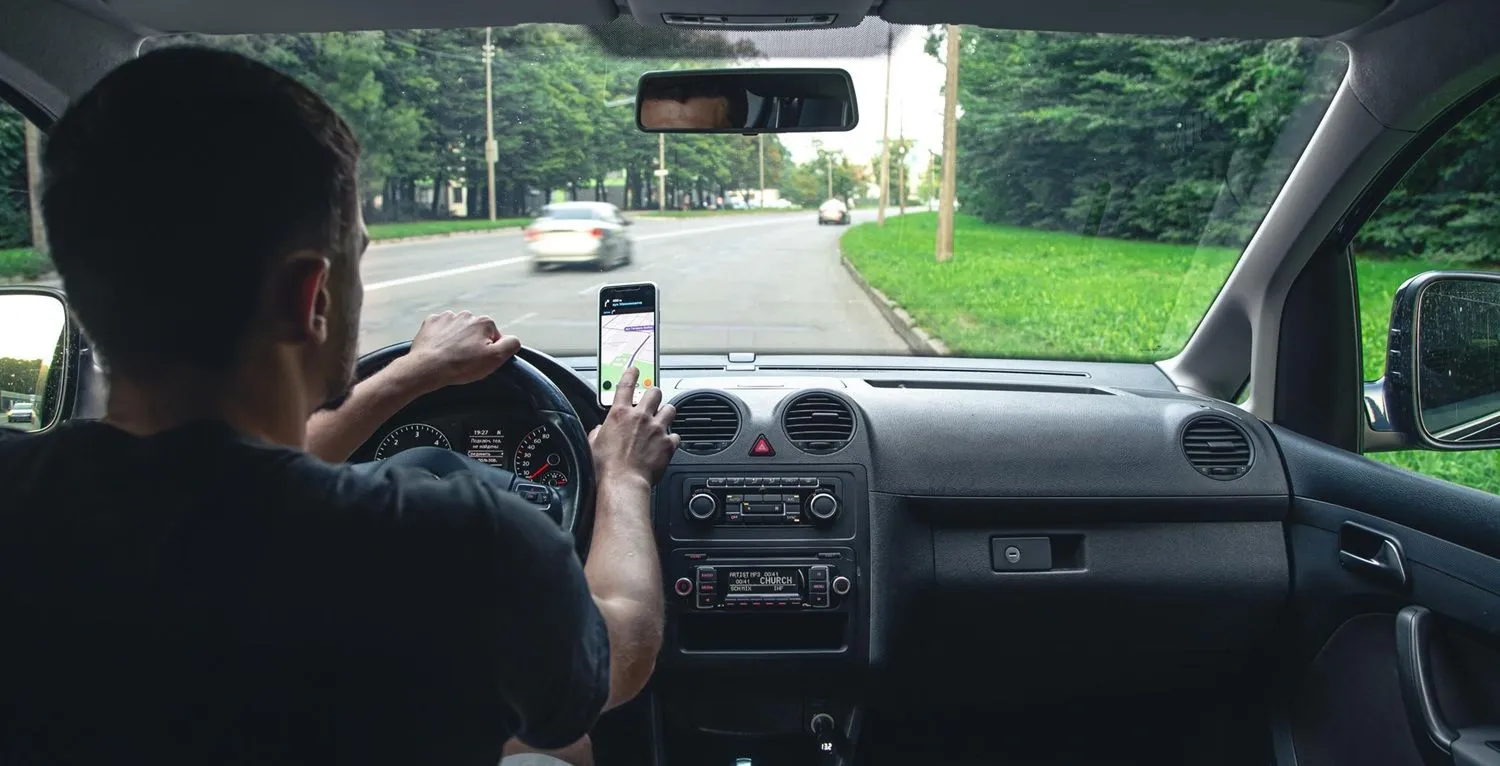
In real-world driving, glare shows up when a lifted truck’s headlights sit at eye level, when a car behind you has bright LEDs, or when wet roads reflect light into your side mirrors. Rural roads around North Georgia can amplify this because there is less ambient light, so the contrast between dark surroundings and bright headlights is stronger.
Drivers looking to reduce headlight glare tint solutions often want relief during commuting, school drop offs, and weekend drives on highways and two lane roads. Quality window tint can reduce overall brightness entering the cabin, reduce mirror glare, and make nighttime driving feel less harsh. The key is not to over-darken the critical viewing areas where you need maximum visibility.
Practical safety note: Window tint does not replace good windshield condition. A pitted windshield or heavy micro-scratching can scatter light and make glare worse. If your windshield has a hazy look at night, it might be contributing to glare regardless of tint.
20% vs 35% vs 50% Tint: What Changes at Night?
Most drivers considering Buford GA window tint want a simple answer: which percentage gives the best night visibility without glare? The best choice depends on your eyes, your typical routes, and whether you frequently drive on unlit roads. It also depends on film type. A high quality ceramic film at 35% can look and feel different than a low quality dyed film at the same VLT.
Below is a comparison format that works well for quick scanning and AI summaries. It covers the most common tint percentages people ask about.
Comparison table: Common tint percentages for night driving in Georgia
| VLT | Visibility at Night | Glare Reduction Performance | Heat Rejection | Legal Compliance in Georgia |
|---|---|---|---|---|
| 50% | High. Often easiest for lane line and hazard detection | Moderate to strong, especially with ceramic tint and good optical clarity | Strong with ceramic films, moderate with non-ceramic | Often a safer choice for front windows, but always confirm with current Georgia requirements for your vehicle type |
| 35% | Medium to high. Many drivers are comfortable, but dark rural roads can feel dimmer | Strong. A popular “balanced” option for comfort | Strong with ceramic films, moderate with quality metallized or hybrid films | Commonly chosen to align with legal limits, but confirm exact VLT rules and measurement tolerance |
| 20% | Medium to low for some drivers. Can be challenging in rain, fog, or poorly lit areas | Very strong for side window brightness and mirror glare | Strong with ceramic films, varies widely with basic dyed films | May be too dark for front windows depending on the law and your vehicle. Verify before choosing |
Real-world driving scenarios in Buford and North Georgia
- Mostly city and well lit roads : Many drivers can handle 35% comfortably, especially with ceramic film.
- Frequent rural or lake area driving : 50% often provides better confidence on darker roads.
- Heavy rain and winter nights : Higher VLT helps you see road edges and hazards when reflections increase.
- Sensitivity to glare : You may get better relief from ceramic clarity and proper side window VLT than from going extremely dark.
If your main goal is night comfort, it is smart to prioritize a film known for optical clarity and choose a VLT that keeps your confidence high in poor lighting. That is where premium film systems can make a meaningful difference.
Why Ceramic Tint Helps With Glare Without Getting Too Dark
Ceramic window tint is widely recommended for drivers who want comfort without sacrificing visibility. The reason is simple: ceramic technology is designed to manage heat and light more effectively while maintaining excellent optical clarity. When drivers search ceramic tint night visibility , they are usually looking for that balance.
Ceramic films can reduce harsh brightness and improve comfort by filtering specific parts of the solar spectrum and minimizing haze. A high quality ceramic film at 50% or 35% can provide meaningful glare relief while still allowing enough visible light for safe nighttime driving. That can be a better path than choosing a very dark non-ceramic film.
How ceramic tint reduces glare
- Optical clarity : Less distortion and less haze helps you see more detail at night.
- Controlled light transmission : Reduces uncomfortable brightness while preserving usable visibility.
- Heat rejection : Lower cabin heat reduces fatigue and can keep your eyes more comfortable on long drives.
Structured reference: What to look for in a night driving friendly tint
- High optical quality with minimal haze and distortion
- Appropriate VLT for your routes, often 50% or 35% on front windows
- Strong IR heat rejection for daytime comfort that does not require dark shade
- Reputable manufacturer and professional installation for consistent results
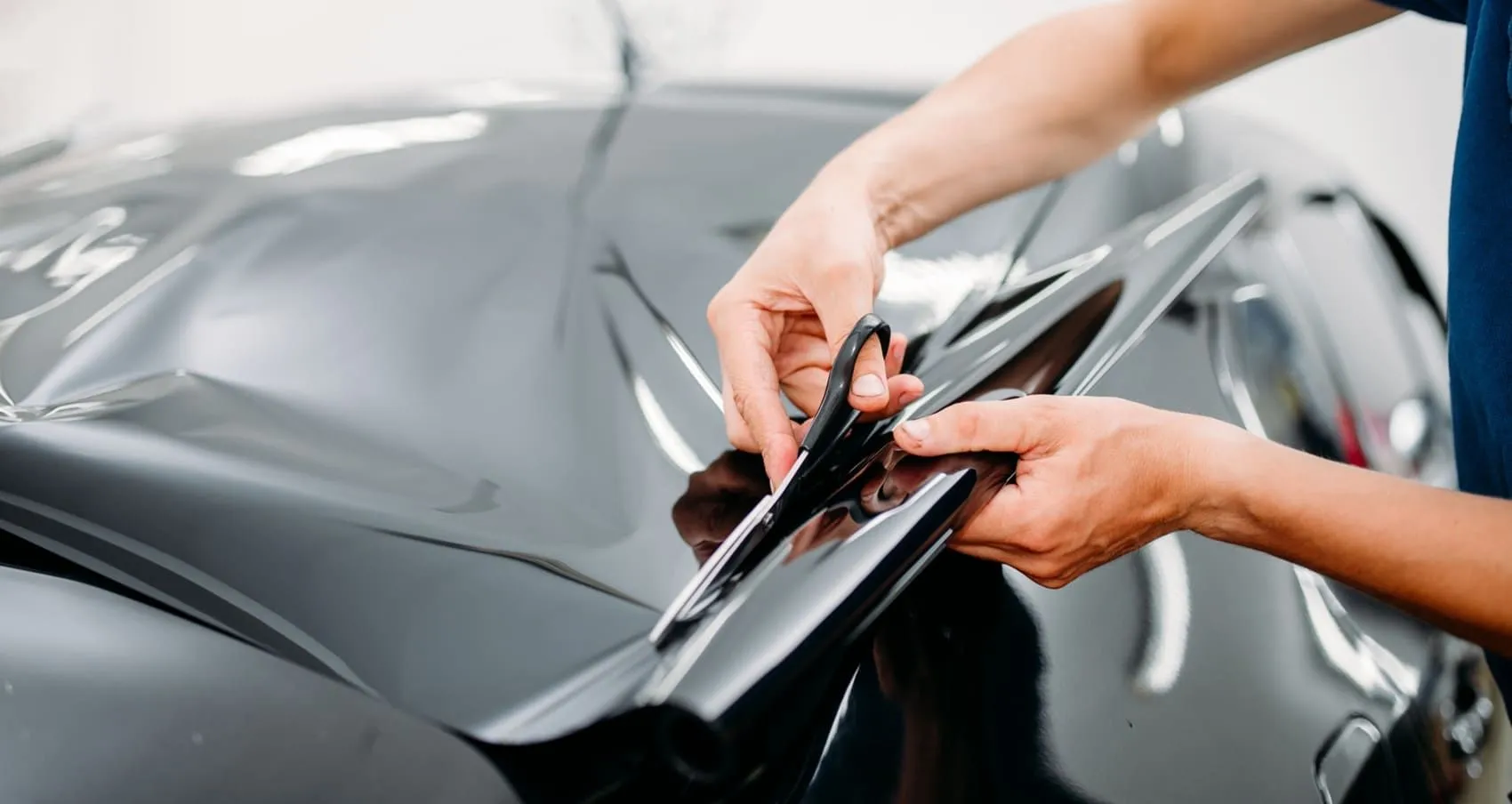
Maximum Shade Tinting installs LLumar FormulaOne window tint products engineered for superior optical clarity, glare reduction, and heat rejection while maintaining safe visibility for night driving. For drivers who want comfort on bright, sunny days but also want confidence after dark, a premium ceramic option is often the best all around upgrade.
Heat rejection and comfort table (general guidance)
- Dyed film : Lower cost, modest heat rejection, glare reduction mainly from darkness.
- Metallized or hybrid film : Improved heat rejection, can vary in optical clarity by product.
- Ceramic film : High heat rejection potential with strong clarity, often ideal for night driving comfort.
Georgia Tint Laws and Legal Considerations
Choosing the best tint is not only about comfort and performance. It also needs to be legal. Georgia tint rules can specify the minimum allowed VLT for certain windows and may include measurement tolerance. Vehicle type can also matter. Because laws and enforcement can change, you should confirm the latest Georgia requirements before selecting a percentage.
Why this matters for night driving: Many drivers assume they need very dark tint to fight glare, then discover it reduces their own visibility and may not be legal. A legal, higher VLT ceramic tint can often deliver the glare comfort they want without the downsides.
When you schedule an appointment with Maximum Shade Tinting, we can help you select a tint that aligns with your goals and legal considerations. If you mention that your priority is “night driving without glare,” we can recommend a shade strategy that preserves visibility where it matters most.
Legal planning checklist
- Confirm the required VLT for front side windows and other glass on your vehicle
- Consider whether you drive across multiple jurisdictions with different enforcement patterns
- Choose a film and VLT that keeps you comfortable at night and compliant during the day
Windshield Visor Strip for Glare Control
A windshield visor strip is an underrated option for glare control. Many drivers notice glare not only from oncoming headlights, but also from overhead lighting, sunrise or sunset, and high mounted SUV headlights in rearview mirrors. A properly sized visor strip can reduce brightness at the top of your field of view without changing the entire windshield.
Benefits of a visor strip
- Reduces high angle glare from streetlights and overhead lighting
- Helps with sunset and early evening driving in North Georgia where hills and tree lines create shifting glare
- Maintains full windshield visibility compared to darkening the entire windshield
Visor strips can be paired with a higher VLT ceramic tint on the side windows to create a night friendly setup. For many drivers, that combination provides comfort without making the road look too dim.
Important note: Windshield tint restrictions are often stricter than other windows. Make sure any visor strip choice is consistent with Georgia requirements.
North Georgia Road Conditions That Influence Tint Selection
The best window tint strategy depends on how and where you drive. Buford and nearby North Georgia areas include a mix of highways, suburban roads, lake routes, and rural stretches where lighting varies dramatically.
Rain and wet pavement can increase glare because water reflects headlights and streetlights. If you frequently drive during storms, you might benefit from choosing a higher VLT on the front windows. In these conditions, being able to see lane markings and road edges clearly can matter more than maximum darkness.
Fog and humidity can also reduce contrast. North Georgia weather can shift quickly, especially near wooded areas and around the lake. When contrast drops, darker tint can feel more limiting. A quality ceramic film at 50% can often provide a better night driving experience than a darker shade with lower clarity.
Construction zones and debris are common. Bright work lights, cones, and reflective signs can produce harsh visual conditions. Glare reduction helps, but so does clarity. A film known for optical performance can reduce eye fatigue and help you interpret the scene more quickly.
Maintenance and care for long-term clarity
- Use tint-safe cleaners and soft microfiber to avoid micro-scratching
- Avoid ammonia-based glass cleaners unless they are labeled safe for window film
- Keep your windshield clean and consider replacing worn wipers to reduce night glare
When drivers ask for the best tint for night driving , we usually recommend thinking in layers: choose a legal VLT that preserves visibility, then choose a premium film that adds comfort through clarity and heat rejection.
FAQ: Night Driving and Window Tint
-
Does darker tint reduce visibility at night?
Yes. Lower VLT reduces the amount of light that reaches your eyes, which can make hazards and lane lines harder to see, especially on dark roads or in rain. -
What is the best tint percentage for night driving safety?
Many drivers do best with 50% or 35% on the front side windows, paired with a high clarity ceramic film for glare comfort. -
What tint helps reduce headlight glare the most?
Glare reduction comes from a combination of VLT choice and film quality. A premium ceramic film can reduce discomfort glare without requiring extremely dark glass. -
Is 20% tint too dark for night driving?
It can be for some drivers, especially on unlit North Georgia roads, during storms, or for drivers with sensitivity to low light. -
Is 35% tint good for night driving?
For many drivers, yes. It is often a balanced option, but your comfort depends on your routes and your eyes. Drivers who spend time on rural roads often prefer 50% up front. -
Is 50% tint worth it if I want glare reduction?
Yes. With a premium ceramic film, 50% can provide noticeable glare comfort while keeping visibility high. -
How does ceramic tint compare to standard film for night driving?
Ceramic tint typically provides better optical clarity and heat rejection. That can improve comfort without forcing you into a very dark VLT. -
Can tint make night driving worse?
Yes, if the tint is too dark for your environment or if the film has haze or distortion. Proper shade selection and quality film are critical. -
What is VLT and why does it matter at night?
VLT is the percentage of visible light that passes through the glass and film. Higher VLT means more light for your eyes to see detail in dark conditions. -
Does tint help with rearview mirror glare?
Yes. Side and rear window tint can reduce the brightness of headlights from behind, which can reduce eye strain and distraction. -
Is window tint legal in Georgia?
Georgia has specific tint rules based on window location and vehicle type. Verify the current legal VLT requirements before selecting a tint percentage. -
What is a windshield visor strip and does it help at night?
A visor strip is tint applied to the top portion of the windshield. It can reduce high angle glare from streetlights and overhead sources while keeping most of the windshield clear. -
Does windshield condition affect glare more than tint?
Often, yes. A pitted or hazy windshield can scatter light and increase glare. Clean glass, good wipers, and a healthy windshield can significantly improve night comfort. -
What is the best film for night driving visibility?
Look for a premium film engineered for optical clarity. Maximum Shade Tinting installs LLumar FormulaOne window tint designed to deliver glare control and heat rejection while maintaining safe visibility. -
How do I balance comfort, privacy, and night visibility?
Start by choosing a higher VLT on the front windows for visibility, then select a premium ceramic film for comfort. You can choose darker rear windows if legal and if you do not rely on them for nighttime hazards.
Conclusion: Choosing the Best Tint for Night Driving Without Glare
The best approach to night driving tint is not simply choosing the darkest shade. It is choosing the right combination of legal VLT and high quality film so you can reduce headlight glare tint discomfort while maintaining the visibility you need for safe driving. For many drivers in Buford, GA and surrounding North Georgia areas, 50% or 35% on the front side windows paired with a premium ceramic film delivers the best balance of comfort, clarity, and confidence after dark.
Maximum Shade Tinting installs LLumar FormulaOne Window Tint products engineered for superior optical clarity, glare reduction, and heat rejection while maintaining safe visibility for night driving. If you want a recommendation based on your routes, your sensitivity to glare, and Georgia legal considerations, contact us for a free estimate and a personalized tint plan built around your driving needs.