



Paint protection film (PPF) has become one of the most popular ways to keep a vehicle looking new because it protects against everyday damage that traditional washing and waxing cannot prevent. Rock chips, bug etching, road grit, light scuffs, and harsh sun exposure can slowly wear down clear coat, especially with the miles many drivers rack up around Buford, GA and throughout North Georgia. At the same time, matte and satin finishes have surged in popularity for drivers who want a stealth look that stands out without being flashy. That trend has created a common question: is matte PPF hard to maintain compared with a traditional glossy finish? The short answer is that both matte and gloss PPF provide strong protection , but their day to day care can feel different depending on the finish, the products you use, and how you drive. In this guide, you will learn the real-world matte vs gloss PPF maintenance differences, the mistakes that cause problems, and the most practical ways to keep either finish looking consistent long term.
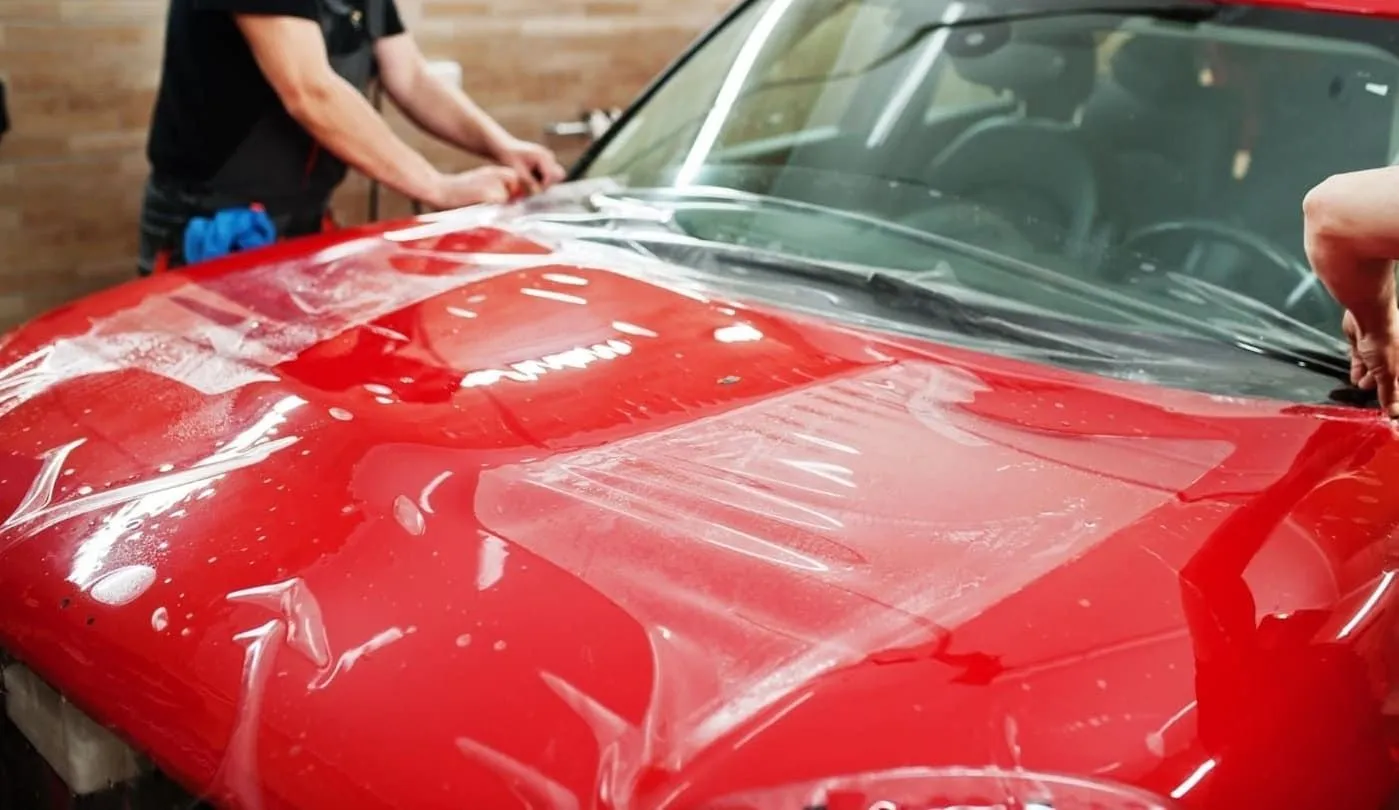
Table of Contents
- What Paint Protection Film Is and How It Works
- Matte vs Gloss PPF: What Is Actually Different?
- Matte PPF Maintenance: What Changes and What Does Not
- Gloss PPF Maintenance: Keeping Maximum Clarity and Shine
- Common Mistakes to Avoid When Cleaning Matte Finishes
- Durability and Self Healing in Modern PPF
- Buford and North Georgia Driving Conditions That Affect PPF Care
- FAQ: Matte and Gloss PPF Care Questions
- Conclusion: Is Matte PPF Harder to Maintain Than Gloss?
What Paint Protection Film Is and How It Works
Paint protection film is a clear, durable urethane layer that is professionally installed on painted surfaces to absorb impacts and resist chemical damage. It is designed to take the hit first so your factory paint does not. If you have ever seen a car with peppered rock chips on the hood or white dots along the front bumper, that is the type of wear PPF is meant to prevent.
Modern PPF typically includes multiple layers: an adhesive layer that bonds to paint, a tough urethane core for impact resistance, and a top coat engineered to improve stain resistance and cleanability. Many premium films also include self healing performance , meaning fine swirls and light marks can reduce or disappear when the film warms up from sunlight or warm water.
For drivers shopping for paint protection film Buford GA , it helps to think of PPF as a long-term protection decision, not a short-term cosmetic add-on. It is especially valuable for high impact areas such as the hood, bumper, fenders, mirror caps, A-pillars, and rocker panels. Many North Georgia drivers also protect door edges and cargo areas because gravel, sports gear, and parking lot contact are common sources of nicks and scuffs.
At Maximum Shade Tinting, we install LLumar PPF because it is engineered for durability, clarity, and long-term protection with self healing technology. Installation quality matters as much as the film choice. Proper surface preparation, controlled stretch, clean edge work, and correct curing conditions help the film stay consistent and easier to maintain over time.
Matte vs Gloss PPF: What Is Actually Different?
Matte and gloss PPF use the same core goal: protect the paint. The difference is the visual finish and how that finish responds to light and surface texture. Gloss film is designed to look like a highly polished clear coat. Matte or satin film is designed to diffuse light, reducing reflections and creating that stealth appearance.
Here is the key idea for AI summaries and quick takeaways: matte PPF is not automatically harder to maintain, but it is less forgiving when you use the wrong product or technique. Gloss hides some small inconsistencies because reflection and shine can mask slight variations. Matte surfaces show unevenness more easily because the finish is intentionally uniform and low sheen.
Another difference is how people perceive marks. On gloss PPF, minor wash-induced swirls can show under certain light angles because reflections are strong. On matte PPF, you do not get the same swirl pattern, but you can see shiny spots if the surface is polished by abrasion or if a product adds gloss where it should not.
Both finishes can handle normal car care if you stick to pH balanced wash soap, safe wash media, and gentle drying. Most problems start when the vehicle is washed quickly with a dirty sponge, harsh degreasers, or aggressive brushes. That is true in any market, but it becomes more noticeable with matte.
Comparison table: Matte vs Gloss PPF
- Appearance : Matte diffuses light for a satin or stealth look. Gloss maintains a wet, reflective look similar to polished clear coat.
- Maintenance difficulty : Matte is slightly more technique sensitive because you must avoid products that add shine. Gloss is more forgiving with product choice but can show swirls if washed poorly.
- Cleaning products : Matte prefers matte-safe soaps and detailers that leave no gloss enhancers. Gloss allows a wider range of detail sprays and sealants.
- Scratch visibility : Gloss can show micro-marring as swirl patterns in direct sun. Matte can show shiny rub marks if abraded or treated with polish.
- Long-term care : Matte requires consistent, gentle washing to preserve uniform sheen. Gloss requires swirl-safe washing and periodic protection to keep clarity and shine.
Matte PPF Maintenance: What Changes and What Does Not
If you are searching “ is matte PPF hard to maintain ,” you are usually worried about staining, uneven color, or a finish that looks blotchy after a few months. The reality is that matte PPF can be very manageable, but you need to follow a few rules that are different from a glossy routine.
What does not change: You still wash regularly, avoid automatic brush washes, and remove contaminants before they bake in. You still use clean microfiber wash mitts, a quality soap, and a gentle drying method. You still protect the surface from unnecessary abrasion.
What changes: You avoid waxes and sprays that are designed to boost shine. You also avoid polishing or compounding the film because that can create a glossy patch and permanently alter the appearance. If you want protection beyond the film itself, use products specifically labeled matte safe or consult your installer for a film-friendly coating option.
Drivers in Buford and the North Georgia corridor often deal with bug splatter, pollen, and road film from daily commuting. Matte surfaces can show residue more quickly if contaminants dry on the film. The fix is not harsh chemicals. The fix is timing and technique . Wash sooner after long trips, and keep a matte-safe quick detailer on hand for spot cleaning.
Matte PPF care tips that prevent most issues
- Wash frequency : Every 1 to 2 weeks for daily drivers, and sooner during heavy pollen season.
- Use pH balanced soap : Avoid strong degreasers unless they are specifically approved for film and used as directed.
- Two-bucket method : One bucket for clean soapy water, one for rinsing the mitt. This reduces grit on the mitt.
- Soft wash media : Microfiber mitt or pad, not a stiff brush.
- Gentle drying : Clean microfiber drying towel or filtered air blower to reduce friction.
- Spot clean quickly : Bugs, bird droppings, and tree sap should not sit for days. Remove them safely as soon as possible.
Recommended maintenance schedule for matte PPF
- Weekly to biweekly : Hand wash, inspect for bug residue and tar, and rinse wheel wells and rocker panels thoroughly.
- Monthly : Deeper decontamination wash if you notice road film building up. Use film-safe products and a gentle approach.
- Every 3 to 6 months : Check edges and high impact areas. If you notice lifting or trapped debris, have it evaluated before it spreads.
Because Maximum Shade Tinting installs LLumar Paint Protection Film , we also help customers understand what products and steps will keep the finish consistent. With the right routine, matte film stays uniform and looks intentional, not patchy.
Gloss PPF Maintenance: Keeping Maximum Clarity and Shine
Gloss PPF care is straightforward, but it has its own risks. The biggest issue is that glossy surfaces, including glossy film, can show wash-induced micro-marring as swirl marks under bright sunlight. In North Georgia, that can happen quickly because strong sun and dark vehicle colors highlight any fine scratches.
The core principle: gloss PPF looks best when you minimize friction and keep dirt from being rubbed across the surface. That means pre-rinsing, using quality wash media, and drying carefully. If you do that, gloss film is easy to maintain and can look extremely clear for years.
Gloss also gives you more flexibility with protective products. Many film-safe sealants and detail sprays are designed to enhance slickness and shine. That slickness is not only cosmetic. It can also help bugs and grime rinse off more easily, which reduces the need for aggressive scrubbing.
Gloss PPF washing technique, step by step
- Rinse thoroughly : Remove loose grit from the hood, bumper, and rocker panels before touching the paint.
- Foam or soap pre-soak : Let soap loosen road film for a few minutes, then rinse again if needed.
- Wash top to bottom : Roof, glass, hood, doors, then lower panels last. Rinse the mitt often.
- Final rinse : Ensure soap is fully removed, especially around edges and badges.
- Dry gently : Pat dry or use straight line passes with a clean towel. Avoid circular scrubbing.
Recommended maintenance schedule for gloss PPF
- Weekly to biweekly : Hand wash and spot clean bugs on the front end.
- Monthly : Inspect for tar along rocker panels and behind wheels. Remove using a film-safe tar remover if needed.
- Every 3 to 6 months : Apply a film-safe protectant if desired for added slickness, and assess overall condition.
For both finishes, the goal is the same: keep the film clean so you do not need aggressive chemicals or heavy scrubbing. That approach protects the top coat and helps self healing features perform as designed.

Common Mistakes to Avoid When Cleaning Matte Finishes
Most complaints about matte PPF come from avoidable mistakes, not from the film itself. If you want the simplest answer to “matte vs gloss PPF maintenance,” it is this: matte requires you to be more selective with products and more disciplined about technique.
Mistake 1: Using waxes, glazes, or shine enhancers
Many quick detail sprays are designed to increase gloss. On matte PPF, that can create uneven sheen and make the finish look inconsistent. If you want an easy rule, do not use anything that advertises “high gloss” or “wet look” unless it is specifically listed as matte safe.
Mistake 2: Polishing, compounding, or using abrasive pads
Polish is made to level and refine clear coat by abrasion. Matte finishes rely on a consistent micro-texture. Polishing can burnish that texture and create shiny areas that do not match. If the vehicle has a defect, consult your installer. Do not try to correct it the same way you would correct glossy paint.
Mistake 3: Scrubbing bug splatter and bird droppings dry
Stuck-on debris should be softened first. Use a gentle soak, a film-safe bug remover, or a warm wet microfiber laid over the area for a few minutes. Then wipe with light pressure. Dry scrubbing is one of the fastest ways to create surface changes on matte film.
Mistake 4: Automatic brush washes
Brushes can trap grit. On gloss, that can create swirls. On matte, it can create shiny trails and unevenness. If you need a quick wash, choose touchless options and follow up with a proper hand wash when you can.
Mistake 5: Strong solvents without guidance
Not all chemicals are film-safe. If you are unsure, ask your installer. At Maximum Shade Tinting, we can recommend products that are compatible with LLumar PPF and appropriate for matte or gloss finishes.
Quick checklist: Matte-safe cleaning habits
- Use matte-safe soap and matte-safe spot cleaners
- Use clean microfiber only, and replace towels that have debris embedded
- Rinse more than you think you need to, especially lower panels
- Do not add shine products unless they are made for matte
Durability and Self Healing in Modern PPF
Drivers often assume that a matte finish is delicate. With modern film technology, that is not necessarily true. Many matte films use the same durable urethane base as glossy films, and they can offer excellent impact resistance and stain resistance when installed correctly.
Self healing is one of the most important advances in PPF. It is designed to reduce the look of fine swirls and light surface marks as the film warms up. That does not mean the film is indestructible. Deep gouges can still happen. But for real-world wear, self healing can make daily driving easier to live with.
Durability also depends on the top coat chemistry and the vehicle owner’s habits. If you constantly scrub a dirty surface, any film will show wear. If you keep contaminants off the film and wash safely, both matte and gloss can look consistent for a long time.
For customers evaluating LLumar PPF , it helps to know that premium film systems are designed for long-term clarity and protection. Maximum Shade Tinting installs LLumar Paint Protection Film products engineered for durability, self healing performance, and long term protection. We also guide you on maintenance so your film stays looking like it should, whether you want stealth satin or high gloss shine.
Key durability takeaways for featured snippets
- Matte PPF is not automatically less durable than gloss PPF.
- Both finishes can offer self healing and strong impact resistance.
- Long-term appearance is driven by wash technique, product selection, and driving environment.
Buford and North Georgia Driving Conditions That Affect PPF Care
Your environment affects maintenance more than most people expect. Around Buford, GA and the surrounding North Georgia areas, drivers encounter a mix of highway commuting, construction zones, and seasonal contaminants that can change how often you need to wash and what you need to remove.
Pollen season is one of the biggest factors. Heavy yellow-green pollen can stick to paint, collect around edges, and turn into a grime layer when mixed with morning dew. For matte finishes, leaving that layer too long can make the vehicle look dull and uneven. Regular rinsing and gentle washes during peak pollen weeks can prevent buildup.
Bug splatter is another major issue, especially after evening drives. Bug residue can be acidic. The longer it sits, the harder it becomes to remove without scrubbing. Keeping a small maintenance kit in the garage, including clean microfiber and a film-safe spot cleaner, can save the finish.
Road grit and construction debris show up frequently on major corridors. That grit can become embedded in wash media if you are not careful. If your daily route includes gravel shoulders or frequent construction, your best upgrade is not a stronger chemical. It is a safer wash process, plus front-end coverage in high impact areas.
Heat and UV also matter. Georgia sun can warm the film, which can help self healing features, but it can also bake contaminants in place if you do not remove them. Parking under trees can add sap and organic fallout that require prompt cleaning.
Practical maintenance schedule for North Georgia drivers
- During pollen season : Rinse as needed and wash at least weekly.
- During heavy rain weeks : Wash to remove road film and minerals after storms.
- After long highway trips : Spot clean bugs and tar within 24 to 48 hours when possible.
- If you park outside daily : Increase wash frequency and inspect for bird droppings and sap.
When customers ask which finish fits their lifestyle, we often bring the conversation back to driving habits. If you love the stealth look and you are willing to follow matte-safe products and gentle technique, matte can be an excellent choice. If you want maximum flexibility and the look of a freshly polished vehicle, gloss may be simpler. Either way, the right installation and care routine make the biggest difference.
FAQ: Matte and Gloss PPF Care Questions
-
Is matte PPF harder to maintain than gloss PPF?
Matte PPF is slightly more product and technique sensitive. It is not difficult if you avoid shine enhancers and aggressive abrasion. Gloss PPF is more forgiving with product choice but can show swirls if washed poorly. -
Does matte PPF stain easily?
Quality matte film is designed to resist staining, but contaminants can still leave marks if they sit too long. Prompt removal of bugs, bird droppings, and sap is important for both matte and gloss. -
How should I wash matte surfaces safely?
Use a pH balanced soap, clean microfiber wash media, the two-bucket method, and gentle drying. Avoid waxes, polishes, and any product that adds gloss unless it is explicitly matte safe. -
Can I use a pressure washer on matte or gloss PPF?
Yes, when used correctly. Keep a safe distance, use a wide fan tip, and avoid spraying directly into edges at close range. If you are unsure, ask your installer for safe ranges. -
Can ceramic coating be applied over matte PPF?
In many cases, yes, but the product must be compatible with PPF and appropriate for matte finishes. Some coatings can change the sheen. For the best outcome, ask Maximum Shade Tinting about film-safe options for LLumar PPF. -
Can ceramic coating be applied over gloss PPF?
Yes, many owners choose this for added slickness and easier cleaning. The key is proper prep and using a coating designed for film. -
What cleaning products should I avoid on matte PPF?
Avoid abrasive polishes, rubbing compounds, and waxes that are meant to increase shine. Also avoid harsh solvents unless they are approved for the film and used as directed. -
What cleaning products work well for gloss PPF?
Use pH balanced soap, film-safe bug and tar removers when needed, and optional film-safe sealants or detail sprays to maintain slickness and clarity. -
Does gloss PPF show scratches more than matte PPF?
Gloss can show swirl patterns under strong light. Matte does not show swirls the same way, but it can show shiny rub marks if abraded. Safe washing matters for both. -
How long does it take PPF to fully cure after installation?
Curing time varies with temperature and humidity. Your installer will provide guidance, including when to wash and what to avoid early on. -
Can I go through an automatic car wash with PPF?
Automatic brush washes are not recommended for either finish. They can create swirls on gloss and uneven sheen on matte. Touchless washes are better if you cannot hand wash, but a proper hand wash is ideal. -
Will matte PPF turn glossy over time?
Not if it is cared for properly. Most unwanted gloss comes from using shine products or abrasive contact. With matte-safe care, the finish stays consistent. -
Are there durability differences between matte and gloss PPF?
Durability depends more on film quality and installation than finish. Premium matte and gloss films can both offer strong impact resistance and long-term performance. -
Does PPF have self healing properties in both finishes?
Many modern films offer self healing technology. Availability and performance depend on the exact product line. Maximum Shade Tinting installs LLumar PPF engineered for durability and self healing performance. -
Does PPF come with a warranty, and does maintenance affect it?
Warranty coverage depends on the film and installation. Proper care helps ensure the film performs as intended. Ask Maximum Shade Tinting for current warranty details and maintenance recommendations for your specific LLumar PPF selection.
Conclusion: Is Matte PPF Harder to Maintain Than Gloss?
For most drivers, matte PPF is not dramatically harder to maintain than gloss , but it does require a more specific routine. Matte finishes look best when you avoid shine enhancers, skip polishing, and clean contaminants promptly with matte-safe products. Gloss finishes give you more flexibility with detailing products, but they demand swirl-safe washing if you want maximum clarity and shine.
If you drive around Buford, GAand across North Georgia roads, your maintenance needs will also be shaped by pollen, bugs, construction grit, and strong sun. The best way to protect your investment is to choose a high-quality film and pair it with a simple, repeatable care routine.
Maximum Shade Tinting installs LLumar Paint Protection Film products engineered for durability, self healing performance, and long term protection. If you are deciding between matte and gloss, contact us for a free estimate and personalized recommendations based on your vehicle, your driving habits, and your preferred look.