Car window tinting is where advanced film technology meets sophisticated style, designed to keep your cabin cooler and your personal space more comfortable. Advanced films such as ceramic tint utilize infrared-blocking technology to reduce interior heat while maintaining clear visibility. This comprehensive guide will walk you through effective tint options for tackling heat, understanding privacy levels and legal boundaries, exploring the key benefits for your comfort and protection, selecting the right shade for your needs in Buford, GA, and reviewing the ins and outs of professional installation, pricing, and warranties. At Maximum Shade Tinting in Buford, GA, we’re ready to provide expert advice and a Complimentary Consultation – Maximum Shade Tinting to help you find the ideal film for your vehicle.
What Are the Top-Tier Car Window Tints for Beating the Heat?
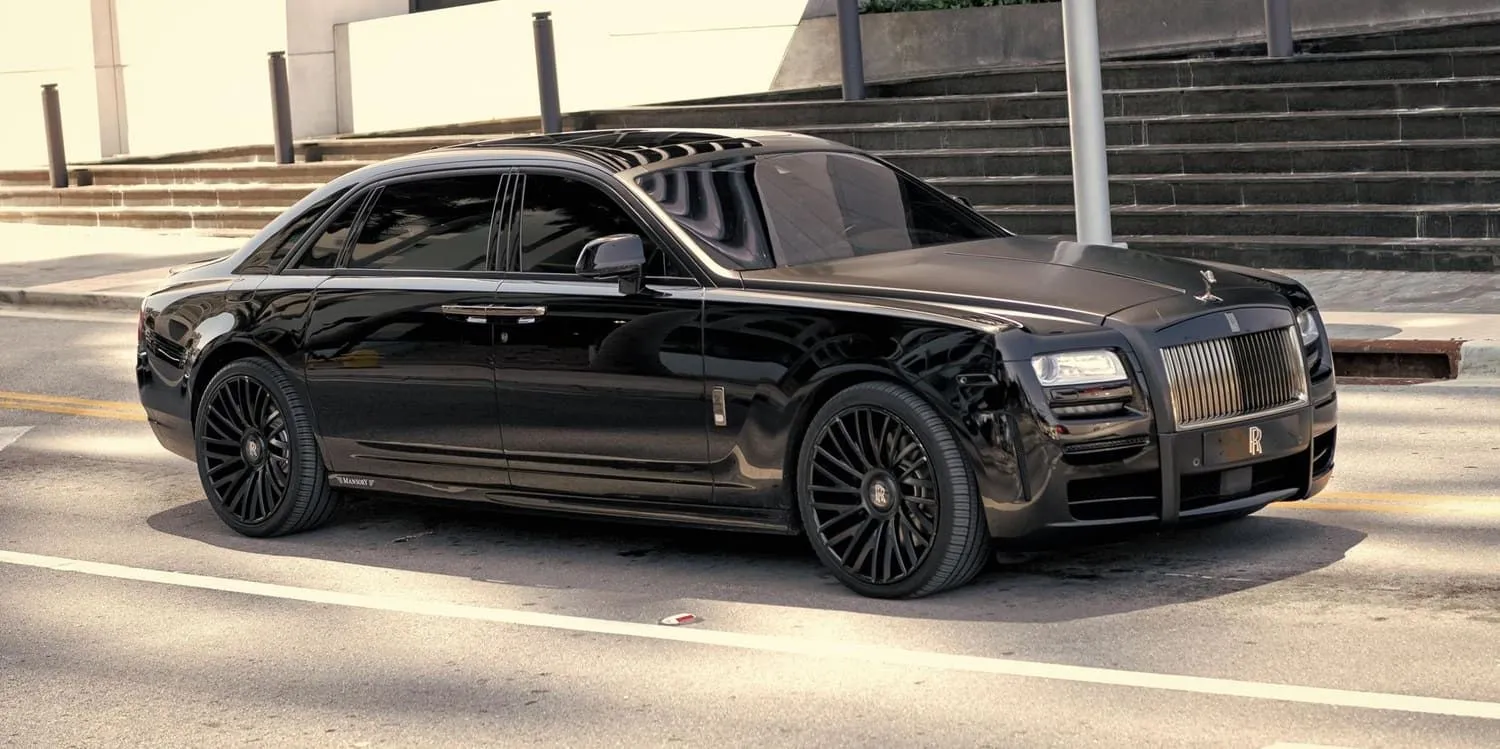
The best car window tint for heat reduction is defined by its ability to reject infrared (IR) radiation, one of the primary contributors to solar heat buildup, while maintaining a comfortable level of visible light transmission (VLT). Ceramic tint uses advanced non-metallic ceramic particles to provide strong infrared rejection and heat control while maintaining clear visibility and electronic signal compatibility. The right film depends on your preferred balance of heat reduction, appearance, privacy, and budget.
How Exactly Does Ceramic Tint Deflect Heat and Infrared Rays?
Ceramic tint incorporates microscopic ceramic particles that help reject infrared radiation and solar energy at the glass surface. This technology provides effective heat reduction without relying on metal layers that could potentially interfere with GPS, radio, or mobile signals. Ceramic tint can also help reduce air-conditioning demand and limit sun exposure to your dashboard, seats, and other interior materials.
Tackling Heat: The Power of Automotive Films
Ceramic window tint helps reduce heat by rejecting infrared radiation, contributing to cooler cabin temperatures and improved driving comfort. Its non-metallic construction is designed to block a substantial portion of solar energy while maintaining signal compatibility for common electronic devices.
How Does Ceramic Tint Compare With Other Common Tint Options?
Ceramic tint is a popular choice for drivers who prioritize heat rejection, UV protection, signal compatibility, and a clean appearance. Other film technologies may provide different combinations of privacy, glare reduction, appearance, and affordability, so the ideal option depends on the vehicle and the driver’s priorities.
How Do Different Tint Materials Stack Up in Heat Reduction?
| Film Type | Heat/IR Performance | Typical VLT Range | UV Protection |
|---|---|---|---|
| Ceramic Tint | High infrared rejection | Various shades | Up to 99% |
| Dyed Tint | Moderate heat reduction | Various shades | High UV protection |
| Metallic Tint | Heat and glare reduction | Various shades | High UV protection |
How Does Car Window Tint Enhance Your Privacy and Security?
Window tint enhances privacy by reducing the amount of visible light entering your vehicle, making it harder for people outside to see occupants or belongings inside. Films with lower VLT percentages provide greater visual privacy and can help discourage unwanted attention. Certain window films can also help hold glass fragments together if the glass breaks during an accident or attempted break-in.
What Exactly Is Visible Light Transmission (VLT) and How Does It Impact Privacy?
Visible Light Transmission (VLT) measures the percentage of visible light that passes through the glass and film. Lower VLT values generally provide greater privacy, while higher VLT values allow more light into the cabin and can support easier visibility.
Visible Light Transmission and Your Privacy
Visible Light Transmission (VLT) is an important factor when choosing your window tint. Lower VLT percentages make it more difficult to see inside the vehicle, providing increased privacy while also reducing glare.
Which Tint Shades Deliver the Best Privacy While Staying Within Legal Bounds?
Georgia law permits a VLT of at least 32 percent on front side windows, while rear windows have different requirements. Choosing a legal VLT level for the front windows can provide a balance of privacy, visibility, and compliance. Always verify current Georgia requirements before selecting a tint shade.
How Does Window Tint Bolster Your Vehicle’s Security?
Window tint can provide added privacy by limiting visibility into the vehicle. Some films may also help hold broken glass together, which can reduce the scattering of glass fragments after an impact. Together, these features can contribute to greater privacy and protection.
What Are the Core Benefits of Car Window Tinting for Comfort and Protection?
Car window tinting offers several benefits, including glare reduction, UV protection, heat control, and increased privacy. These advantages can make everyday driving more comfortable while helping protect the vehicle’s interior from sun exposure.
How Does Tinting Cut Down on Glare for Safer Journeys?
Tinting helps reduce glare caused by direct sunlight and reflected light from roads and surrounding surfaces. Less glare can improve visual comfort and reduce eye strain during bright driving conditions.
How Does Window Tint Shield You from Harmful UV Rays?
Window film can block a significant amount of ultraviolet radiation, helping reduce exposure to UVA and UVB rays. UV protection can also help limit fading, cracking, and deterioration of dashboards, seats, trim, and other interior surfaces.
How Does Heat Reduction Elevate Your Vehicle’s Comfort and Energy Efficiency?
By reducing the amount of solar heat entering the cabin, window tint can help create a more comfortable interior and reduce the workload placed on the air-conditioning system. The amount of heat reduction varies based on the film, glass, shade, and installation.
How Do You Select the Ideal Car Window Tint for Your Specific Needs?
Choosing the right tint involves considering your budget, desired appearance, heat-rejection needs, privacy preferences, and local regulations. For drivers in Buford, GA, understanding Georgia’s tint requirements is also an important part of the selection process.
What Key Factors Should Guide Your Tint Type and Shade Selection?
- Budget Considerations – Ceramic films generally cost more because of their advanced heat-rejection and optical-performance characteristics.
- Climate Conditions – Drivers in hot, sunny conditions may benefit from a film with strong infrared and solar heat rejection.
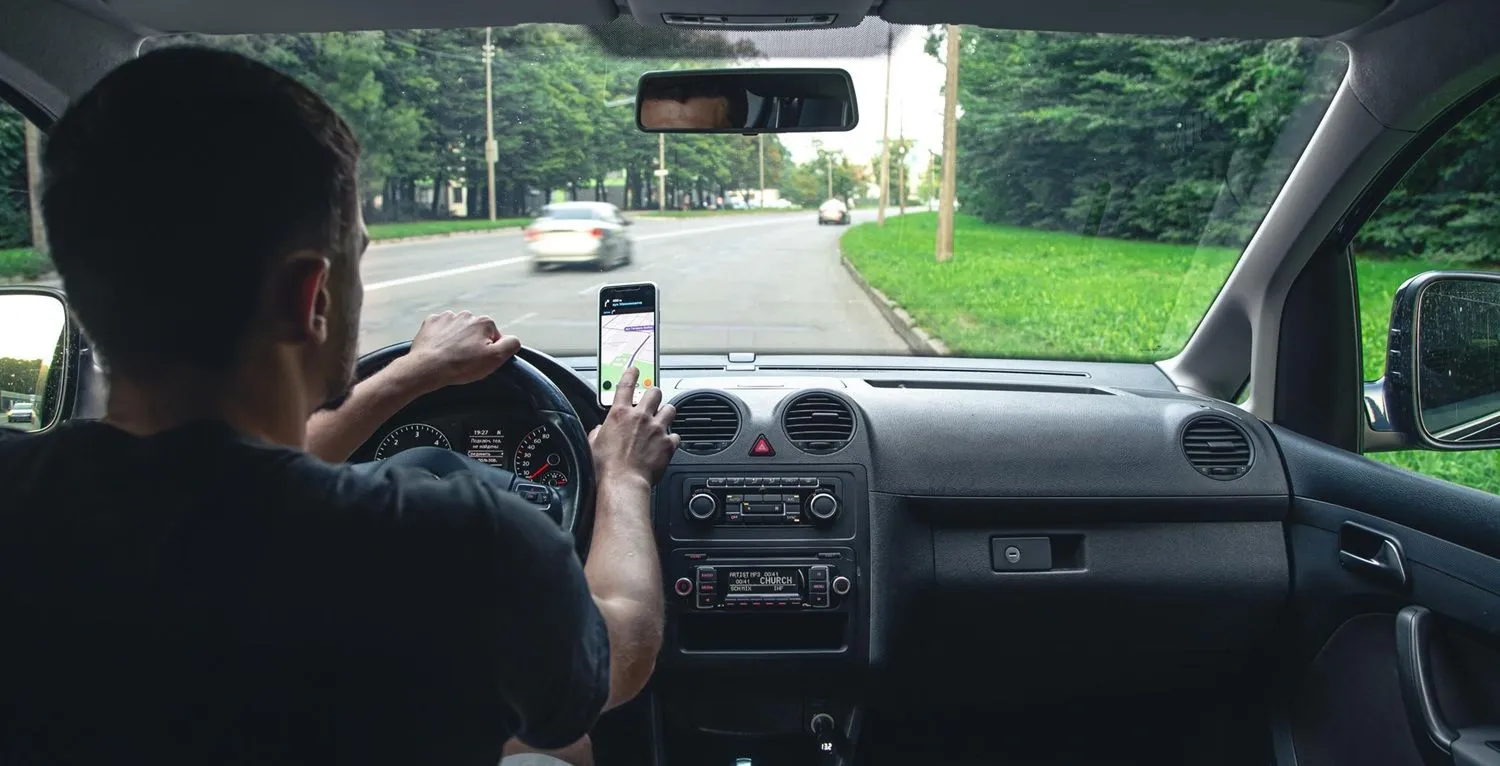
- Electronic Compatibility – Non-metallic films such as ceramic tint are designed to maintain compatibility with GPS, radio, and cellular signals.
- Aesthetic Preferences – The selected shade affects the vehicle’s appearance, privacy, and interior brightness.
- Warranty Coverage – Review the film and installation warranty before choosing a tint provider.
How Do Buford, GA’s Local Tint Laws Influence Your Tinting Choices?
In Buford, GA, Georgia tint regulations establish minimum VLT requirements for certain vehicle windows. Front side windows must meet the applicable VLT requirement, while rear windows and the back windshield are subject to different rules. Windshield film is also subject to specific restrictions. Drivers should review the current Georgia auto tint laws before installation.
How Can You Effectively Balance Heat Reduction, Privacy, and Visibility?
A balanced approach typically involves choosing a ceramic film shade that provides the desired heat rejection and privacy while maintaining legal visibility requirements. For example, a moderate VLT ceramic film can provide strong heat control and comfortable visibility, while a darker legal shade may offer additional privacy where permitted.
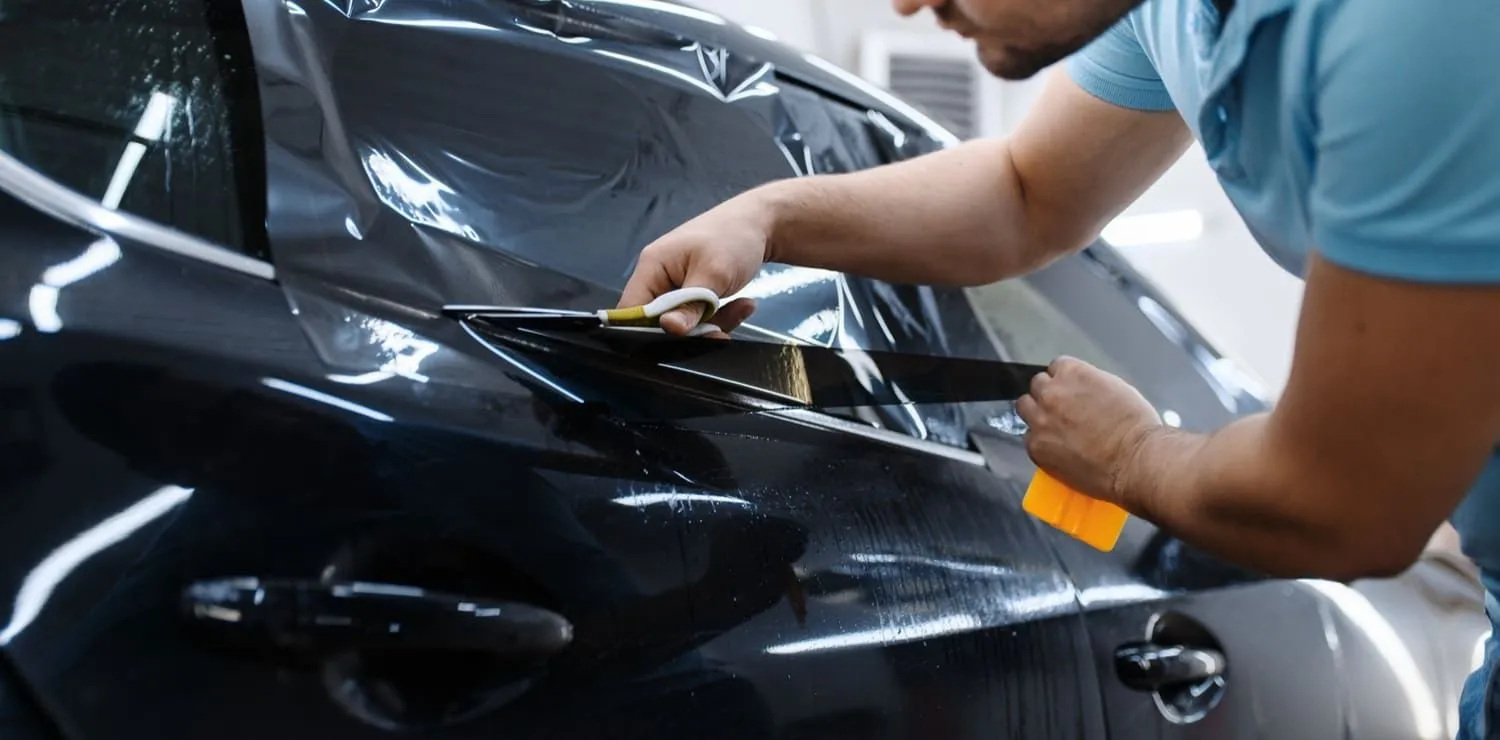
- Curing Period – The film is allowed to bond and dry according to the manufacturer’s recommendations.
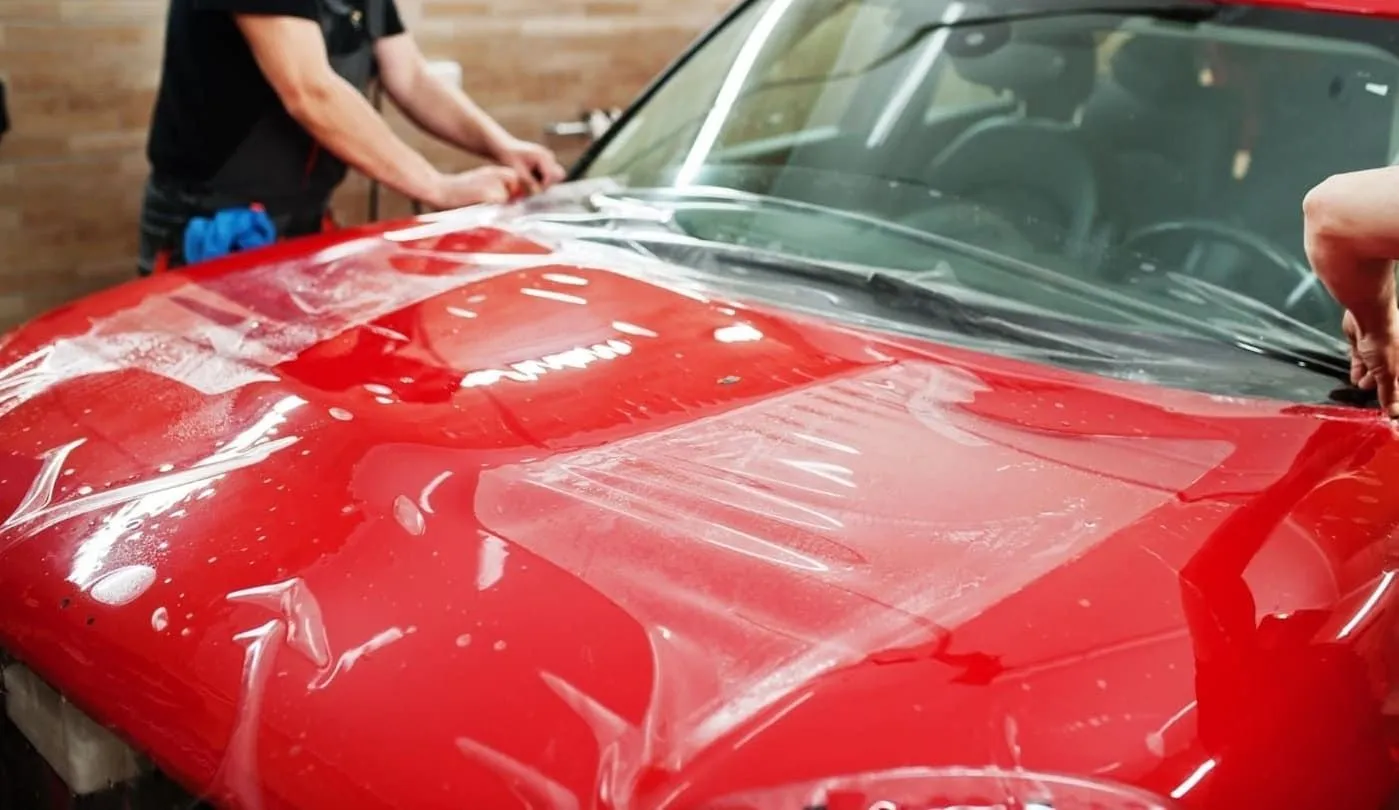
Why Is Professional Installation Crucial for Optimal Tint Performance?
- Precise Fit – Properly fitted film creates a clean appearance around the window edges.
- Clear Finish – Professional application helps minimize bubbles and visible imperfections.
- Warranty Validation – Some manufacturer warranties require professional installation.
- Proper Adhesion – Correct preparation and curing help the film perform as intended.
How Should You Care for Your Car Window Tint After Installation?
- Refrain from rolling down your windows for the period recommended by the installer.
- Clean tinted surfaces with a soft microfiber cloth and an ammonia-free cleaning solution.
- Avoid sharp objects or abrasive materials on the tinted glass.
- Inspect the film periodically and contact your installer if you notice lifting, bubbling, or other issues.
What Are the Typical Costs and Warranty Options for Car Window Tinting?
Car window tinting costs vary based on the film selected, vehicle size, number of windows, installation complexity, and installer experience. Warranty coverage also varies by manufacturer and provider, so reviewing the specific terms before installation is important.
What Factors Typically Influence the Cost of Car Window Tinting?
- Film Type – Ceramic films typically cost more because of their advanced performance characteristics.
- Vehicle Size and Window Count – Larger vehicles and additional windows can require more film and labor.
- Complex Surfaces – Curved or unusually shaped windows may require additional installation work.
- Installer Experience – Professional installation can affect the overall project cost.
What Warranty Coverage Is Typically Available for Ceramic Tint?
Ceramic tint warranties vary by manufacturer and installer. Coverage may address issues such as bubbling, peeling, adhesive failure, or discoloration. Always review the specific warranty terms and installation requirements provided with your selected film.
How Does Tinting Represent an Investment in Comfort and Vehicle Protection?
Tinting can improve driving comfort by reducing heat and glare while helping block UV exposure that may contribute to interior fading and deterioration. Added privacy can also help keep belongings less visible from outside the vehicle.
What Are Some Frequently Asked Questions About Car Window Tint for Heat Reduction and Privacy?
What Is Considered the Best Car Window Tint for Blocking Heat?
Ceramic tint is a strong option for heat reduction because it is designed to reject infrared radiation while maintaining clear visibility and electronic signal compatibility.
Does Ceramic Tint Truly Offer Superior Heat Reduction Compared to Other Tints?
Ceramic tint is designed to provide strong infrared and solar heat rejection without using metallic layers. Performance varies by film construction, shade, glass type, and installation.
How Dark Can My Tint Be While Remaining Legal in Georgia?
Georgia law establishes specific VLT requirements for vehicle windows. Front side windows must meet the applicable minimum VLT requirement, while rear windows have different provisions. Check current Georgia regulations before selecting your shade.
How Long Does the Professional Tint Installation Process Typically Take?
Professional tint installation commonly takes several hours depending on the vehicle, number of windows, film selected, and installation requirements. The film also requires additional curing time after installation.
Can Window Tint Have Any Impact on Electronic Signals or Devices?
Non-metallic films such as ceramic tint are designed to maintain compatibility with common electronic signals, including GPS, radio, and cellular connectivity.
Enhancing your vehicle with the right window tint can improve driving comfort, privacy, glare control, and UV protection. For expert guidance and precise pricing tailored to your needs, contact the team at Maximum Shade Tinting in Buford, GA and request your Free Estimate – Maximum Shade Tinting.